Electric vs. Acoustic: What’s Best for Me?
So, you’ve reached that moment. You’ve decided you want to play the guitar. You’ve confirmed that gut feeling isn’t just a passing phase. You get chills every time you hear guitar music or your favorite guitarist shredding away. Now, you want to do the same. You want to play so powerfully that you move crowds, awaken sleeping beasts, and cause tectonic shifts. I get it—I’ve been there, and honestly, I still am.
But here’s where the challenge kicks in. You’re ready to start learning, but where do you begin? What kind of music? And most importantly, which guitar—electric or acoustic? Left or right? Angel or devil? Yin or Yang? Okay, I’m joking a bit. What I’m trying to say is, I totally understand your dilemma. We’ve all been there. It’s not really a problem, just a crossroads. And you’re in the right place. In this post, I’ll help clear up some confusion and explain how each type of guitar feels for beginners—and how beginners feel about them. So, sit back, relax, and let’s dive in.
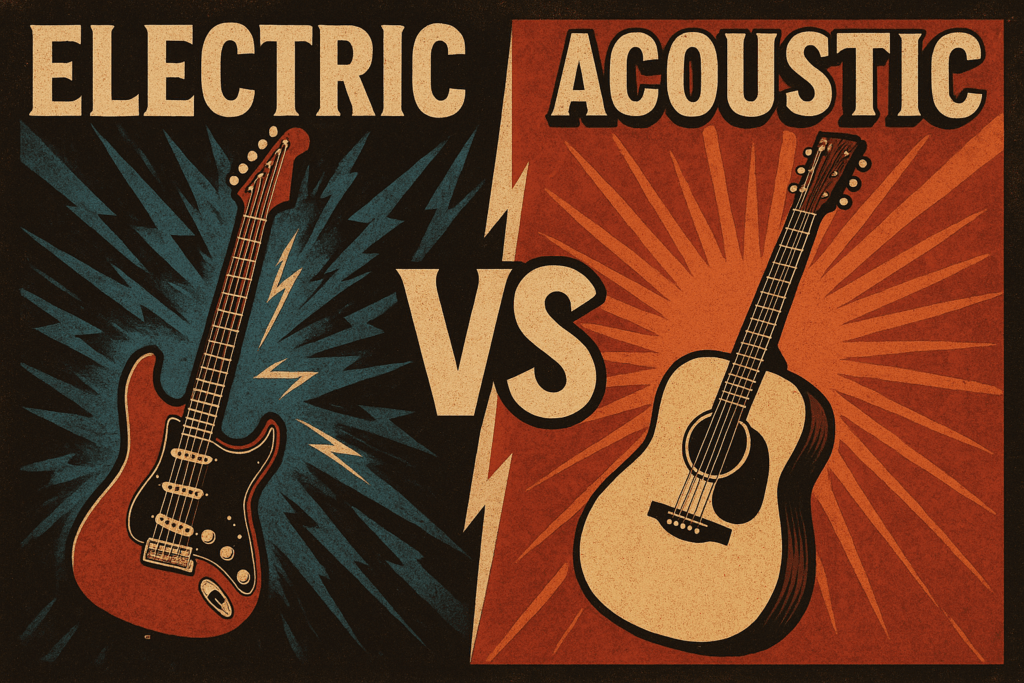
You’ve wrestled with the big questions and now you’re at the fork in the road: the trusty acoustic or the sleek electric? Here’s a little wisdom from someone who’s walked both paths. And if you change your mind along the way, as Robert Plant once sang, “Yes, there are two paths you can go by, but in the long run, there’s still time to change the road you’re on.” Just, please, don’t play that song in music shops.
Your choice of first guitar depends largely on why you want to learn to play. What’s driving you down this path? If you get goosebumps listening to blistering solos from Darrell Dimebag or Zakk Wylde, an acoustic probably isn’t your starting point. But if you’re vibing to the soulful sounds of Willie Nelson or Johnny Cash, the choice is pretty obvious. Let’s say you love guitar music in general (otherwise, you wouldn’t be here) and you’re genuinely torn, regardless of your musical heroes. Here’s the breakdown.
What Comes with Choosing an Acoustic Guitar?
So, you’ve settled the existential question and decided to go with an acoustic guitar. Congrats! You’ve just signed up for calloused fingertips and a test of endurance. Just kidding—sort of. What makes an acoustic guitar unique is its size—it’s noticeably bigger than its electric sibling, thanks to the soundboard and body that resonate the strings’ vibrations to produce sound. This might feel a bit awkward at first, like you’re hugging a big wooden box, but you’ll get used to it.
Acoustics also have a wider gap between the strings and the fretboard, and the strings themselves are thicker than those on electric guitars. This means you’ll need more finger strength to press down and get a clean note. On the bright side, your fingers will get so strong you could probably take up rock climbing. Just be careful.
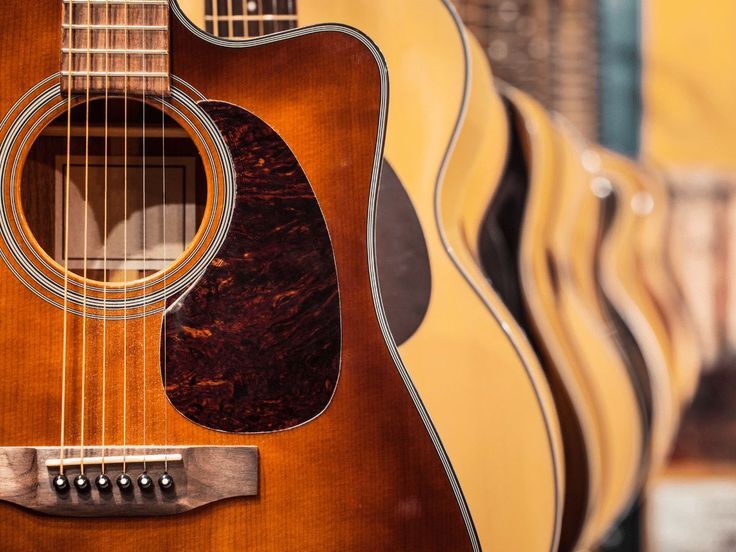
With an acoustic, what you hear is what you get. No amplifiers, no pedals, no effects processors—just pure, unfiltered sound. And I think that’s awesome. You grab it from your bed, stand, or case, set it on your lap, and start playing. Perfect. How loud it sounds depends entirely on how you play it. Dynamics come with time, but first, you’ll need to master basic chords, understand the fretboard, and coordinate your left and right hands for smooth transitions. An acoustic is a great choice for this because there’s no noise, distortion, or effects to hide behind—just raw, honest sound.
Portability is another big plus. Since you don’t need extra gear, you can sling it in a gig bag and take it to the park or a campfire (though I’ve never been a fan of park jams). It’s just you and the guitar.
The downside? Limited sonic versatility. Imagine you’re strumming a Bob Dylan tune and suddenly want to switch to Black Sabbath or Iron Maiden. That’s where things get tricky. If you’re craving that kind of range, an electric guitar might be a better starting point. But don’t worry—there’s a ton of incredible music you can play on an acoustic.
In summary, an acoustic guitar gives you pure sound and easy portability, but it’s bulkier, with thicker strings and a higher action (string height). Besides the guitar itself, you’ll need a pick (unless you want to master fingerstyle right away) and maybe a strap and gig bag, though those aren’t strictly necessary. That’s it—you’re ready to rock.
What Comes with Choosing an Electric Guitar?
Awesome, you’ve chosen the electric guitar! Now, which one? When it comes to electrics, the options are endless—like choosing candy in a sweet shop. First, they come in all shapes and sizes, like clouds in the sky. Second, different pickups produce different sounds. Third, add in pedals, effects, and amplifiers, and the possibilities spiral out of control. I’ll dive deeper into choosing the right electric in a future post.
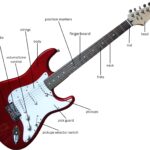
For now, let’s say you’ve decided to start with an electric guitar. Great choice. Right off the bat, it feels different. Electrics are generally smaller than acoustics but can be a bit heavier, depending on the body shape and wood used. The neck typically has more frets, and the distance between the bridge and nut is longer. Combined with thinner strings and lower action, this makes electric guitars easier to play for beginners. Over time, you won’t notice the difference, but early on, it’s a big help.
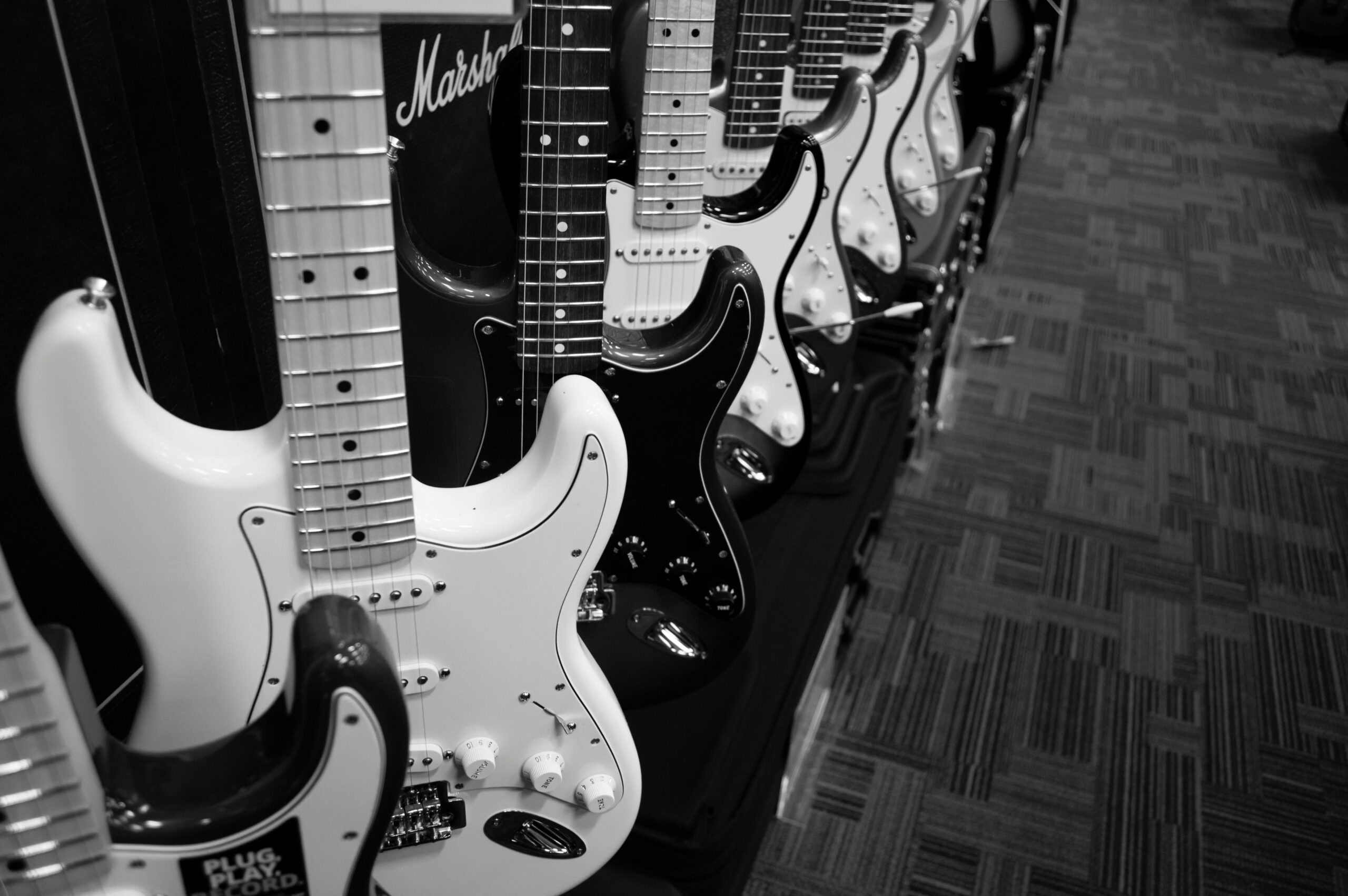
Here’s the catch: an electric guitar is quiet without gear. It relies on electricity (or a battery) to activate the pickups, which translate string vibrations to an amplifier, which then blasts your sound to the world—or at least your neighbors. So, you’ll need a cable and an amp to get started. Without them, you’d be playing so quietly your parents could sleep in the next room without earplugs. Not that they’d mind.
With the right setup, the range of music you can play is vast. Clean tones for one genre, distortion for another—throw in a few pedals, and you’re unstoppable. But let’s take it one step at a time.
Electrics are easier to play initially, but they’re less portable if you want to jam with others. You’ll need to lug around your amp and cables. Still, when you’re passionate, that’s no big deal. The key is to keep playing and practicing.
In the End...
I remember standing at this crossroads like it was yesterday: electric or acoustic? My first guitar was an acoustic, and honestly, I’ve never regretted it. Sure, I dreamed of shredding fast solos and nailing heavy riffs, but the acoustic gave me stronger fingers and a sense of dynamics. It’s not the same as an electric, but I’ve never looked back.
With an electric guitar, the pedals and effects would’ve made learning more exciting, but there’s something about the gritty journey of an acoustic—tough strings, calluses, and all—that makes switching to an electric later feel like a breeze.
Ultimately, your first guitar depends on you. What do you want to achieve? What sound are you chasing? Who inspires you? What genre or subgenre lights your fire? The most important thing is to have a clear goal, strong determination, solid discipline, and a commitment to practice. That’s how you become the best.