Essential Gear for Beginners – Affordable Must-Haves (Picks, Tuners, Amps)
I hope you didn’t rush out and buy seventeen guitar pedals just because someone told you your guitar won’t sound right without them. Oh, and then you’d need a power supply and a pedalboard too, right? Or maybe someone convinced you that you absolutely need a string winder/cutter because, heaven forbid, us humans can’t possibly use our thumbs to change strings. And don’t forget the pick holder—because apparently, you need a dedicated spot to store your picks. Let’s be real: that’s nonsense, especially when you’re just starting out. Don’t get me wrong—I’m not against these things. But there’s no need to blow your budget on trivial gadgets right at the beginning. How do you even know if you’ll stick with playing guitar if you haven’t tried it yet? Why spend money on stuff like that?
I’m going to guide you through the absolute essential gear for beginners you need when starting your guitar journey. These aren’t a million little gadgets that “make playing easier” or promise to turn you into the greatest guitarist of all time overnight. Nope. These are the basic items you need to make sure your guitar functions properly from the get-go. You can always buy the extra stuff later if you want—and trust me, you will. Alright, let’s dive in.
And Then There Was a Guitar...
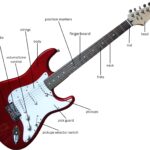
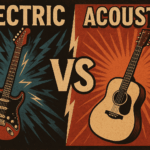
As you probably know, to play a guitar, you need… well, a guitar. It’s up to you to decide whether you want to start with an acoustic or an electric one. Once you’ve made that choice, you’ll need to pick from the countless brands and sub-brands out there. That’ll require a bit of research. Or, you know, you could just order the same guitar your guitar hero plays. Well, maybe start with a copy first—those pricey originals might be a bit much for a beginner.
Choosing a new guitar is always exciting, at least for me, and I bet for many others too. It’s like being a kid in a toy store—those moments of indecision, joy, hesitation, trying out different models… And then, finally, you hold the one in your hands for the first time. Every time feels like the first time. It’s like being a beginner all over again, like a kid surrounded by toys. Man, I can’t wait to buy another guitar. But anyway…
Tuner
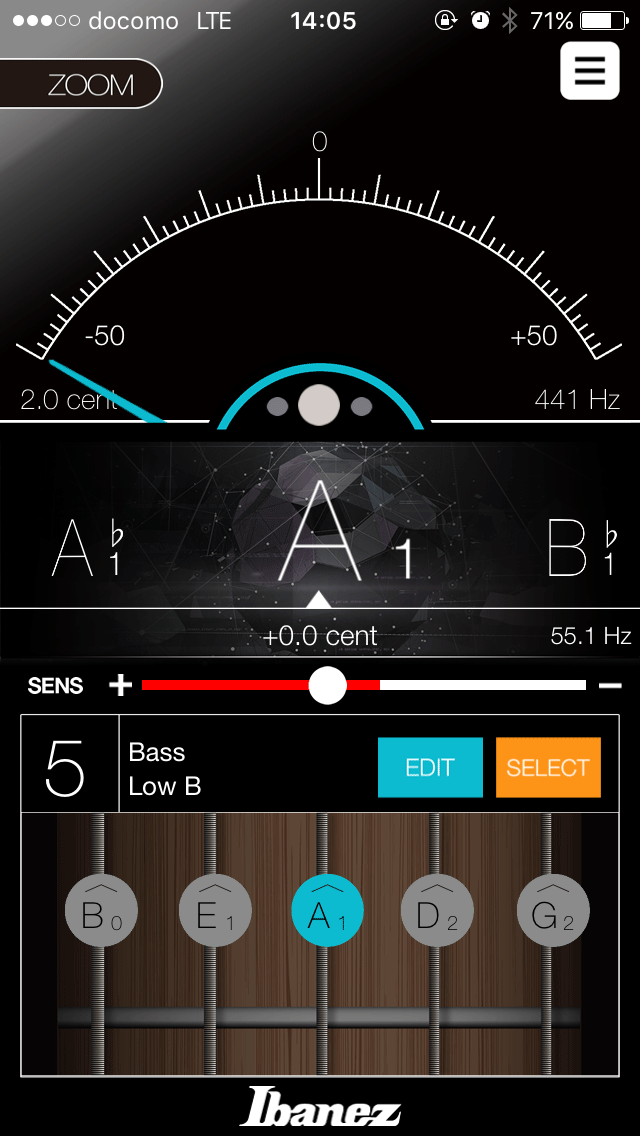
Whether you’ve got an electric or acoustic guitar, it’s always nicer when it’s in tune. Let’s be honest: very few people have perfect pitch, and those folks don’t need tuners or fancy gadgets. But most of us—especially when starting out—can’t tune an instrument by ear right away. I remember when I didn’t have a tuner or even an app. Those were interesting times. I’d play a song I knew, then tighten or loosen the strings to match it. Oh, the good old days.
In any case, you need a tuner, which is one of the basic pieces of gear for beginners — in fact, one of the essentials for everyone. Luckily, these days, they’re super easy to find. You can choose between a clip-on tuner, a pedal tuner, or a tuner app on your phone. For beginners, a tuner app is honestly enough. Most of them are free and pretty accurate. Clip-on tuners attach to the headstock of your guitar, pick up vibrations, and tell you if you’re in tune. They’re great for gigs or rehearsals since you don’t need everyone to go silent while you tune. Pedal tuners are super precise—the signal from your guitar goes straight into the pedal, leaving no room for error. But you don’t need one of those yet. Maybe later, when you’re playing gigs regularly.
One thing to keep in mind: check the tuner’s display and whether it’s chromatic or just for standard tunings. A clear, easy-to-read display is important, and a chromatic tuner (which shows every note) is better than one limited to standard tunings. That way, you can experiment with alternate tunings down the road.
Picks
I’m not gonna lie—you’re going to lose a lot of picks. My advice? Buy a few to start with. They’ll slip out of your hands constantly in the beginning. Sometimes they’ll vanish right in front of you, only to turn up two weeks later in another room. Don’t ask me how I know. One of my picks fell into the soundhole of my acoustic guitar when I was starting out, and I left it there on purpose—it’s still in there.
When it comes to picks, pay attention to thickness and how they feel in your hand. Picks come in different thicknesses: thin ones range from 0.5mm to 0.7mm, medium ones from 0.7mm to 1mm, and anything thicker than 1mm is considered heavy. What works for you depends on what you want to play. If you’re practicing rhythm on an acoustic, I’d recommend thinner picks to start. Personally, I lean toward medium picks—they’re thick enough to stay firm but still flexible enough for quick string changes.
When it comes to gear for beginners, I’d suggest picks with grip features. There are tons of them, and they’re easier to hold onto while you’re still getting the hang of things. Eventually, a pick will feel like an extension of your fingers. Of course, you can play with just your fingers and skip picks entirely, but that’s trickier at the start, and you might not be able to play everything you want.
Amplifier
When it comes to amps, it’s important to choose one that suits your needs right now—not something overly complicated or loud. You’re a beginner, so you don’t need a massive, high-powered amp or one with a million settings. I’d recommend looking at amps between 10W and 50W. For home practice, a 15W or 20W amp is perfect. Trust me, you won’t need anything louder. It’s also great if the amp has a headphone jack so you can practice late at night without bothering your housemates or neighbors.
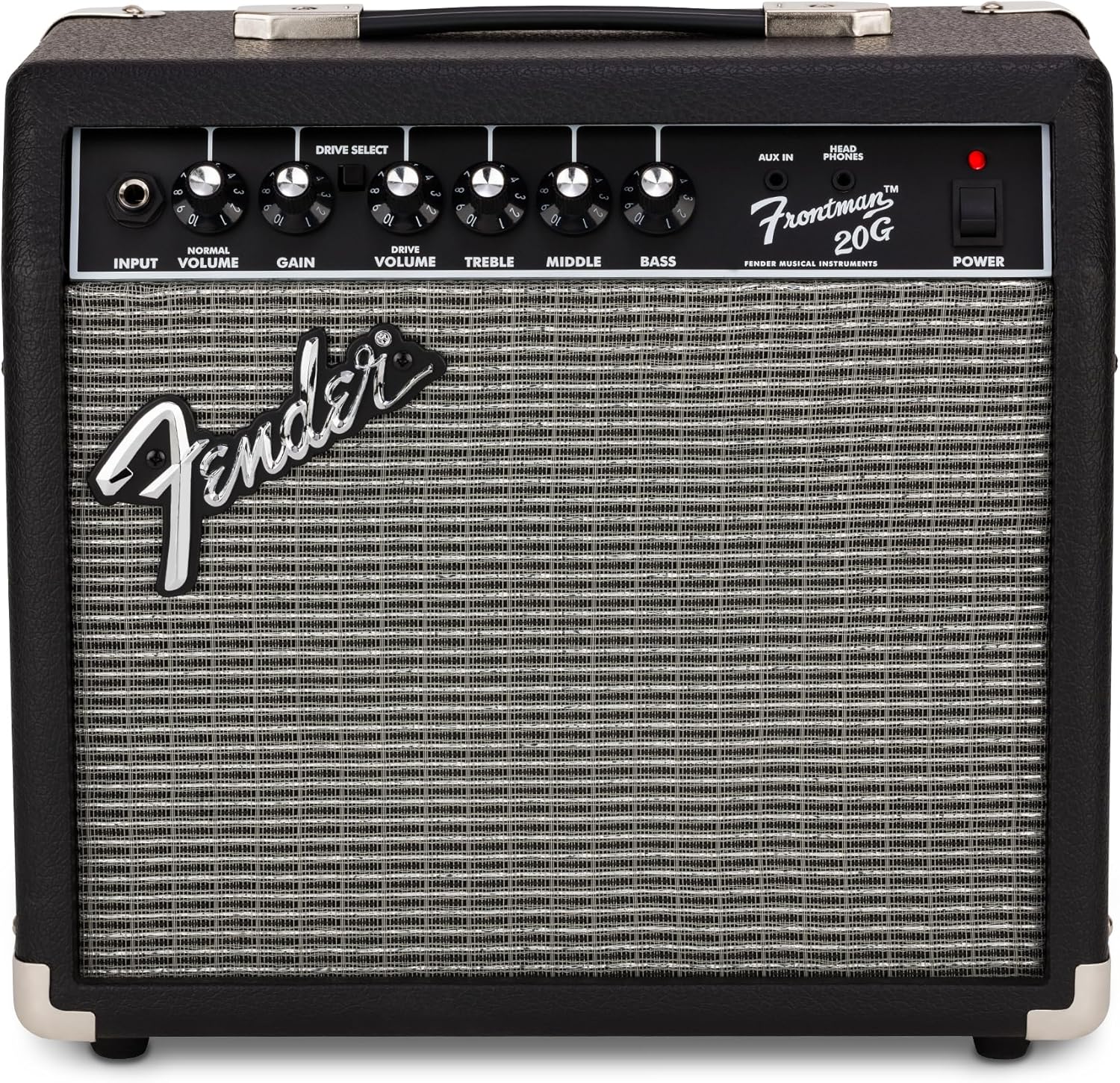
Look for an amp with simple, straightforward controls—knobs for volume, treble, mids, bass, and maybe reverb are plenty for a beginner. Your first amp is for practicing, not for finding “your tone.” You’ll need to learn the basics before you start throwing money at gear. And trust me, you will end up spending money on gear eventually—it happens to all of us.
Also, consider the size of the amp. If you’re short on space or plan to move it around, a smaller one is better. Solid-state amps are usually lighter than tube amps, so keep that in mind. I’ll explain the difference between the two in a separate article.
Cables
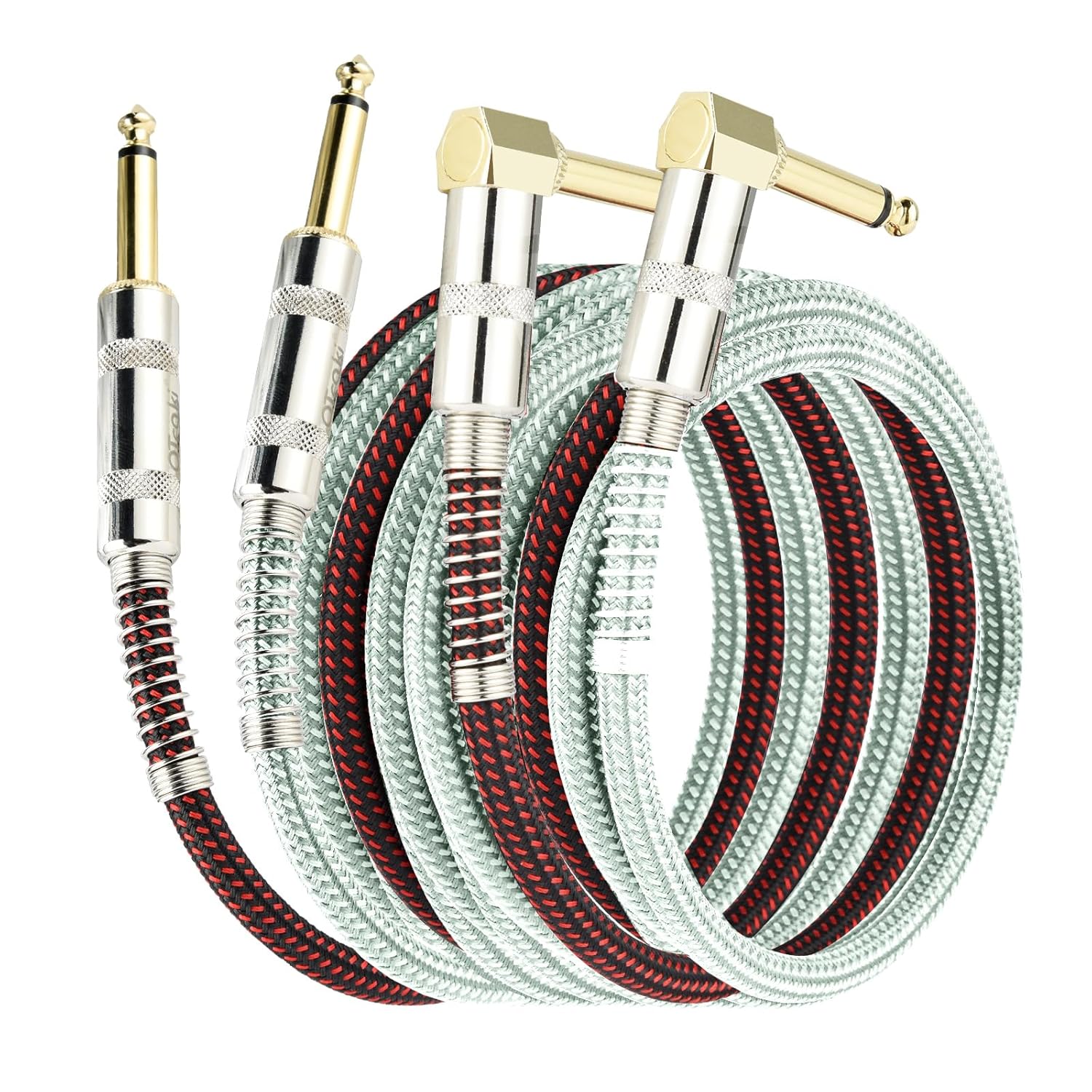
Here’s the deal with guitar cables: they carry the low-frequency signal from your guitar to the amp, which then amplifies it and sends it through the speaker. Without a cable, your electric guitar and amp are just expensive paperweights. For a fuller, cleaner sound, go for a shorter cable to start. Why? Because longer, cheaper cables can lose some of the signal, making your sound thinner. You definitely don’t need a 30-foot cable for your bedroom.
One more thing: if you’re buying a cable in a local music shop, ask for one with good shielding. Poorly shielded cables can pick up interference, leading to that annoying buzzing sound. If you’re shopping online, check reviews for the cable you’re considering.
Straps, Stands, Cases: Necessary or Not?
Look, the stuff I’ve already mentioned (picks, tuner, amp, cable) is the bare minimum gear for beginners. Those are the essential gear for beginners. But there are other things that, while not critical, can make your life easier. Take guitar straps, for example. Realistically, you can live without one. How many beginners stand while practicing? Most of the time, you’ll be sitting at home. A strap isn’t a must-have at the start—it’s more useful later for gigs or jamming with others. If you do get one, make sure it’s thick enough and won’t stretch out, causing your guitar to sag to your knees mid-performance. For heavier guitars, go for a wider strap.
A guitar stand is nice to have. It looks cool to have your guitar displayed, ready for you to pick up and play. Plus, it’s handy for gigs if you’ve got multiple guitars. But at the beginning, you can skip it. Just set your guitar on a bed, chair, or couch—somewhere stable, not leaning on the neck. Your furniture can do the same job as a stand without costing extra. That said, I’m a fan of stands.
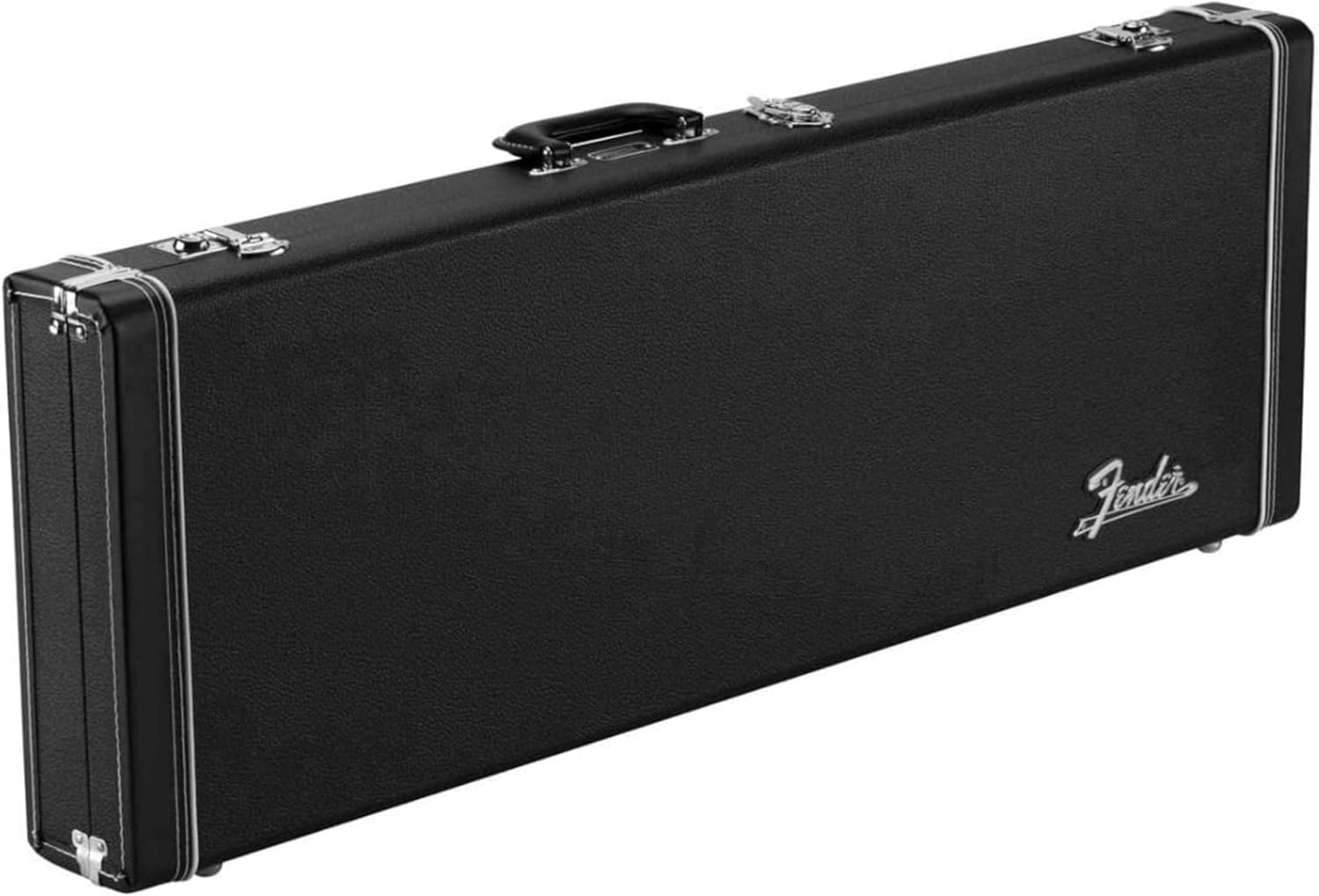
As for cases or gig bags—do you need one? Well, you’re just starting out and probably spending most of your time practicing at home. You’re not lugging your gear around yet, so a case or bag isn’t essential right away. That said, a gig bag is a good investment. You’ll eventually take your guitar out of the house, and even if you don’t, a bag keeps it dust-free when you’re not playing. Speaking of dust…
Cleaning Supplies and Spare Strings
It’s a good idea to keep a cleaning cloth in your gig bag. Why? Because every time you play, you leave sweat and grime from your fingers on the strings and body of the guitar. You might not notice it, but it happens. Wiping down your guitar and strings after playing is always a good habit. You can also get polishing products—because who doesn’t love a shiny, great-smelling guitar? Just be careful not to spray any electronics. Spray the cloth first, then polish your beloved instrument. You don’t need to do this every day—just when it feels necessary.
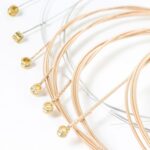
As for spare strings, it’s smart to have some on hand, especially the thinner ones. You’ll break strings more often as a beginner since you haven’t yet developed a feel for how much to hit or bend them. It happens to everyone, so don’t feel bad. Keep a pack of strings ready—you never know when one will snap.
Don’t Buy These Yet
I’ve seen some articles listing things like strap locks, pick holders, string winders, wall mounts, power supplies, or music stands as “essential” guitar gear for beginners. Sure, these things can make playing easier, but they’re not necessary when you’re starting out. You can absolutely get by without them. How? Simple: focus on practicing and learning instead of getting distracted by gadgets. What if you lose interest in playing after a month? You’ll have wasted money on stuff you didn’t need. There’s plenty of time to get those extras later. For now, stick to the basics.
Conclusion
So, if you’re starting with an acoustic guitar, you’ll need a pick, a tuner, a gig bag, a cleaning cloth, and spare strings. If you’re going electric, you’ll need a cable, an amp, a pick, a tuner, a gig bag, a cleaning cloth, and spare strings. In both cases, you should practice with a metronome. There are tons of free metronome apps out there, so you don’t need to worry about finding one—just make sure you use it.
Anything else someone tells you is “essential” gear for beginners probably isn’t. Don’t buy it, and don’t even think you need it. The most important things are your desire to learn and play, plus a bit of discipline. Those can’t be bought—they’re earned. A capo or a pick holder won’t help if you don’t have the drive to practice. So focus on the right things for now, and the rest will come later. Enjoy!